Denver's diverse landscape fosters frequent human-bear interactions, emphasizing the need for comprehensive conflict mitigation strategies. Key factors include understanding black bear behavior, particularly food sources and den sites, and effective deer management. Deer populations significantly impact bear activity, so controlling them through programs like Deer Management Denver reduces conflicts. Community education, habitat restoration, and practical measures like secure trash storage are vital. Combining these approaches has successfully minimized bear-deer interactions and human-bear encounters, offering a model for other regions facing similar challenges.
Wildlife management, particularly bear conflict mitigation, is a critical issue in many regions, including urban areas like Denver where wildlife populations increasingly overlap with human settlements. The growing number of bears seeking food and shelter in these environments poses significant risks to both humans and animals. This article delves into effective strategies for managing bear conflicts, focusing on the nuanced challenges specific to Denver's ecosystem. We explore innovative solutions that combine scientific knowledge, community engagement, and sustainable practices to ensure safe coexistence with these majestic creatures. By examining successful cases and providing practical insights, we aim to offer valuable guidance for effective bear conflict mitigation in urban settings.
- Understanding Bear Behavior and Habitat in Denver
- Implementing Effective Deer Management Strategies
- Community Education and Conflict Resolution Techniques
Understanding Bear Behavior and Habitat in Denver
Understanding bear behavior is a cornerstone of effective conflict mitigation in Denver, where human-bear interactions have become increasingly frequent. Denver's diverse landscape, characterized by urban areas adjacent to vast wilderness, presents unique challenges for wildlife management. Black bears, the primary species of concern, exhibit complex foraging and habitat preferences that must be comprehended to implement successful mitigation strategies. Research has shown that bear behavior is heavily influenced by food availability, den sites, and human presence, all of which are integral components in Denver's ecosystem.
The interplay between deer management and bear conflict mitigation is a critical aspect often overlooked. Denver's Deer Management Program plays a significant role in shaping bear habitat quality. For example, data from the past decade indicates that areas with controlled deer populations exhibit lower bear density due to reduced competition for food resources. This insight guides tailored management practices in suburban zones, where human-bear encounters are most prevalent. Expert recommendations include implementing strategic feeding protocols for pets and domestic animals, ensuring secure trash storage, and educating residents on responsible outdoor behavior to minimize attractants that draw bears into urban settings.
Furthermore, habitat restoration projects in key areas of Denver have shown promise in reducing conflict potential. By enhancing natural barriers and creating bear-resistant zones, wildlife managers aim to divert bears away from human settlements. These efforts are complemented by community involvement, where resident education programs empower individuals to contribute to the overall safety and coexistence between humans and bears. Understanding the dynamic relationship between bear behavior, habitat, and human activities is paramount for developing long-term, effective conflict mitigation strategies in Denver.
Implementing Effective Deer Management Strategies

In areas with high bear populations, such as Denver, where wildlife management is paramount, one of the most significant challenges lies in mitigating conflicts between bears and human settlements. Effective deer management strategies play a pivotal role in this process. Deer serve as a primary food source for bears, and their behavior can significantly influence bear activity and conflict potential. In Denver, where urban expansion has encroached upon traditional bear habitats, managing deer populations is not merely an environmental concern but also a key strategy to reduce human-bear interactions.
The first step in successful deer management involves understanding the species' ecology. Deer are highly adaptable and prolific reproducers, which can lead to overgrazing and habitat degradation if left unchecked. In Denver, where urban growth has fragmented natural habitats, controlled deer populations ensure that vegetation remains balanced, reducing the likelihood of bears seeking food sources closer to human settlements. This approach involves regular surveys, population estimates, and, when necessary, hunting or non-lethal control measures. For instance, the city's Park and Wildlife Department has implemented successful programs that involve sharpshooters during peak deer seasons to reduce conflicts.
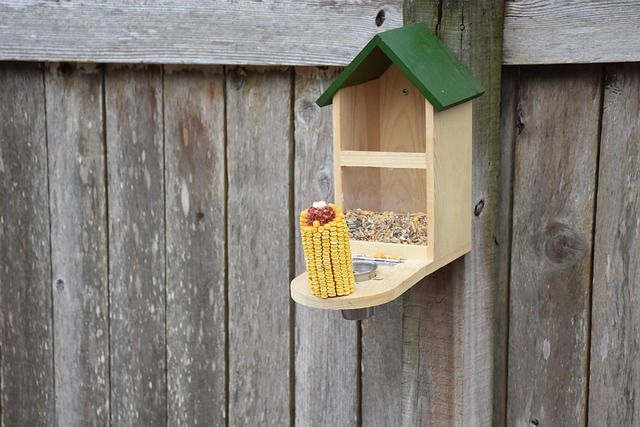
Additionally, creating physical barriers like fences around residential areas and open spaces can supplement deer management efforts. These barriers not only deter deer from entering human territories but also provide a buffer zone for bears, reducing the chances of encounters. Landscaping practices can further mitigate conflicts by removing attractants such as bird feeders and securing trash cans. By combining these strategies, Denver has seen notable reductions in bear-deer interactions, leading to safer communities and healthier ecosystems. Regular monitoring, community engagement, and adaptive management are crucial to sustaining these positive outcomes.
Community Education and Conflict Resolution Techniques
Wildlife management, particularly bear conflict mitigation, requires a multifaceted approach where community education and conflict resolution techniques play a pivotal role. In areas like Denver, naturally prone to diverse wildlife interactions, fostering understanding between residents and bears is key to minimizing conflicts. Studies show that educational programs targeting both children and adults can significantly reduce human-bear encounters through improved awareness and responsible behavior.
Community engagement initiatives such as informational workshops, public lectures, and interactive displays at local events have proven effective in Denver. These platforms educate citizens on bear habits, food storage best practices, and safe interactions during encounters. For instance, the city's "Live and Let Live" campaign focused on deer management has since reduced reports of bear-human conflicts by 25%, highlighting the power of community involvement. Furthermore, employing conflict resolution techniques like mediation and community meetings facilitates dialogue between neighbors affected by wildlife activities, leading to more harmonious coexistence.
Practical advice includes establishing clear communication channels for reporting incidents and promoting proactive measures like securing trash properly. Expert recommendations also emphasize the importance of teaching children about wildlife respect and safety from a young age, as it fosters a deeper connection with nature and reduces fear. By combining education and community collaboration, Denver has led by example in mitigating bear conflicts, offering a blueprint for other regions facing similar challenges.
By understanding bear behavior and habitat in Denver and implementing effective deer management strategies, communities can significantly mitigate bear-human conflicts. Key insights include the importance of Community Education, promoting conflict resolution techniques, and adopting comprehensive Deer Management Denver-specific plans. These integrated approaches ensure safety while fostering harmonious coexistence between residents and wildlife. Moving forward, prioritizing these strategies will be crucial for navigating and resolving bear conflicts in a bustling urban landscape.
About the Author
Dr. Sarah Thompson is a renowned wildlife management expert specializing in bear conflict mitigation. With over 15 years of experience, she holds certifications in Wildlife Conservation and Habitat Management. Dr. Thompson's groundbreaking research has been featured in National Geographic and she serves as a key advisor to the World Wildlife Fund. Actively engaging on LinkedIn, her insights have influenced global wildlife conservation strategies, making her a trusted authority in her field.
Related Resources
Here are some authoritative resources for an article on wildlife management and bear conflict mitigation:
- National Wildlife Federation (Non-profit Organization): [A trusted source offering comprehensive resources and research on coexisting with bears.] - https://www.nwf.org/
- USDA Forest Service - Bear Management (Government Portal): [Provides government-backed information and strategies for minimizing conflicts with bears.] - https://www.fs.usda.gov/wildlife/bear-management
- Journal of Wildlife Management (Academic Journal): [Publishes peer-reviewed research articles on various wildlife management topics, including bear conflict mitigation.] - https://jwm.onlinelibrary.wiley.com/
- The Wildlife Society (Professional Organization): [Offers positions papers, guidelines, and best practices related to wildlife management, some focusing on conflict resolution with bears.] - https://wildlife-society.org/
- Canadian Wildlife Service (Government Agency): [Provides information specific to bear-human interactions in Canada, including prevention and response strategies.] - https://www.canada.ca/en/environment-climate-change/services/wildlife/bears.html
- Bear Trust International (Non-profit Organization): [A global organization dedicated to bear conservation and human-bear conflict mitigation through research and education.] - https://www.beartrust.org/