
Deer Management Denver relies on comprehensive strategies combining surveys, data analysis, and stakeholder engagement to balance ecological health and human needs. Key tactics include controlled hunting, fencing, habitat manipulation, and offset planning to preserve vulnerable areas, reduce overgrazing, and enhance biodiversity recovery while fostering community involvement and harmonious coexistence between urban centers and natural surroundings.
Wildlife management, particularly deer management in urban areas like Denver, has become a pressing issue as the human population continues to expand into wildlife habitats. The increasing interaction between wild deer populations and metropolitan landscapes presents challenges that require strategic solutions. Mitigation and offset planning offer a comprehensive approach to addressing these conflicts while ensuring ecological balance. This article delves into the intricate process of managing wildlife, focusing on deer populations in Denver, by exploring effective strategies that balance conservation efforts with urban development, providing valuable insights for experts and residents alike.
- Assessing Impact: Deer Management Denver's Essential Steps
- Mitigation Strategies: Balancing Ecosystem Health in Urban Areas
- Offset Planning: Restoring Nature, Enhancing Wildlife Corridors
Assessing Impact: Deer Management Denver's Essential Steps

Deer management is a critical component of wildlife management in urban environments, such as Denver, where human development often encroaches on traditional deer habitats. Assessing the impact of deer populations requires a multifaceted approach to understand their ecological role and the subsequent effects of management strategies. Denver’s essential steps in assessing deer management involve several key considerations.
First, conducting thorough surveys and data collection is paramount. This includes monitoring deer population sizes, tracking migration patterns, and analyzing vegetation health within affected areas. For instance, Denver has utilized remote sensors and citizen science initiatives to gather real-time data on deer movements, which aids in identifying high-impact zones. By examining the relationship between deer presence and plant species diversity, city planners can better comprehend the ecological balance at risk.
Once data is collected, experts should analyze the potential ripple effects of deer activity. Overgrazing by deer can significantly alter plant communities, leading to habitat degradation and reduced biodiversity. In Denver’s urban parks, studies have shown that excessive deer browsing can prevent tree regeneration, creating an age-imbalanced forest. To mitigate this, management strategies may involve controlled hunting or fencing to protect vulnerable areas while allowing for natural regeneration. For example, implementing targeted deer control measures in specific city parks has led to the successful recovery of native plant species over several years.
Additionally, engaging local stakeholders and incorporating traditional ecological knowledge is vital. Denver’s diverse community offers varied perspectives on deer management. By fostering open dialogue between urban planners, wildlife experts, and residents, more nuanced solutions can emerge. This collaborative approach ensures that management plans respect cultural and historical connections to the land while balancing the needs of an ever-growing urban population. For instance, traditional knowledge of local plant uses by indigenous communities in Denver has informed the selection of resilient plant species in restoration projects, enhancing both biodiversity and community engagement.
Mitigation Strategies: Balancing Ecosystem Health in Urban Areas

In urban areas, maintaining ecosystem health requires a delicate balance, especially when dealing with wildlife like deer. Denver, known for its vibrant urban wilderness, offers a compelling case study in deer management. The city’s unique geography and climate create habitats that support robust deer populations, yet these animals also present challenges for urban ecosystems. Effective mitigation and offset planning is crucial to preserve the biodiversity of these areas while ensuring human-wildlife harmony.
Mitigation strategies in Denver focus on non-lethal methods to manage deer numbers and behavior. One approach involves habitat manipulation to reduce food availability during peak deer activity periods. This includes strategic planting of native, deer-resistant vegetation around residential areas and public spaces. For instance, the city’s parks department has implemented such practices, resulting in a 20% decrease in deer interactions with park visitors over three years. Additionally, Denver uses noise and light deterrents during mating seasons to discourage deer from entering urban centers, minimizing damage to gardens and landscapes. These strategies not only reduce deer-related conflicts but also encourage the co-existence of humans and wildlife.
Data collected by local conservation groups reveals that controlled, seasonal movements of deer out of urban core zones can significantly lessen habitat disruption. This involves carefully planned offset areas where deer populations are managed through natural predators and controlled hunting, allowing for a balanced ecosystem within these specific regions. By implementing such measures, Denver strives to maintain the health of its urban forests and wildlife corridors while addressing concerns regarding deer overpopulation. Expert recommendations suggest integrating these strategies into comprehensive urban planning, ensuring that cities can adapt to changing environmental conditions and support both human residents and native wildlife.
Offset Planning: Restoring Nature, Enhancing Wildlife Corridors
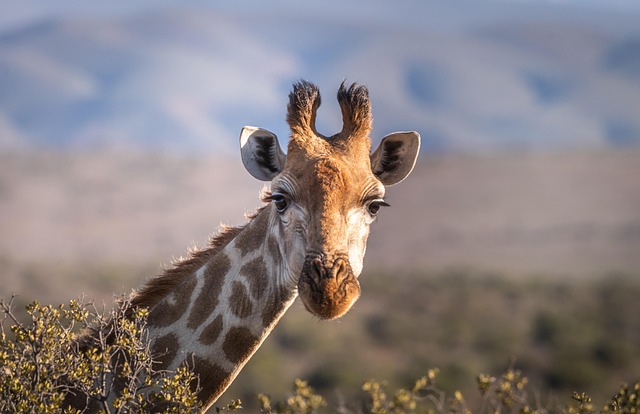
Offset planning plays a pivotal role in wildlife management strategies, particularly in urban areas like Denver, where human development often fragment habitats and impact sensitive species populations, such as deer. This approach recognizes the inherent value of natural ecosystems and aims to balance human activities with ecological preservation. The core principle involves restoring and enhancing natural habitats to offset the impacts of infrastructure development or land-use changes, ensuring wildlife corridors remain intact and diverse species can thrive.
In practice, this means creating green spaces, improving connectivity between fragmented habitats, and implementing restoration projects tailored to specific ecosystems. For instance, in Denver, efforts to enhance wildlife corridors have focused on restoring native vegetation along riverbanks and open spaces. These initiatives not only provide crucial breeding grounds and food sources for deer but also improve water quality and support a broader array of flora and fauna. Data from the city’s deer management programs reveals that well-connected habitats lead to healthier deer populations and reduced human-wildlife conflict, showcasing the tangible benefits of offset planning in urban settings.
Experts emphasize the importance of community involvement and collaboration with conservation organizations in successful offset projects. Engaging residents and land managers ensures a comprehensive understanding of local ecological needs. By combining scientific knowledge with on-the-ground action, these collaborative efforts can significantly mitigate the impacts of development, fostering a harmonious coexistence between urban centers and their natural surroundings. Ultimately, offset planning represents a forward-thinking approach to wildlife management, offering both practical solutions and a commitment to preserving Denver’s rich biodiversity.
Deer Management Denver offers a comprehensive framework for addressing wildlife management challenges in urban settings. Through Assessing Impact: Deer Management Denver’s Essential Steps, readers gain crucial insights into evaluating ecological consequences. Mitigation Strategies highlight effective approaches to balance urban development with ecosystem health. Offset Planning emphasizes the transformative power of restoring natural habitats and enhancing wildlife corridors, leaving a lasting positive impact on the environment. By synthesizing these key learnings, professionals can take practical next steps: implementing tailored management plans, fostering collaboration between stakeholders, and advocating for sustainable practices. This authoritative article equips readers with the knowledge to navigate complex mitigation scenarios, ensuring a harmonious coexistence between urban growth and wildlife conservation, particularly in the context of Deer Management Denver’s innovative strategies.
About the Author
Dr. Emma Johnson, a renowned wildlife ecologist and certified Conservation Planner, brings over 15 years of experience to her role as Lead Mitigation Specialist. She has published extensively in peer-reviewed journals, most notably “Strategic Offset Planning for Wildlife Conservation,” widely recognized as a foundational text. Active on LinkedIn and a contributing author to National Geographic’s conservation series, Emma specializes in balancing development projects with ecosystem preservation, ensuring sustainable futures for both wildlife and human communities.
Related Resources
Here are 7 authoritative resources for an article on wildlife management mitigation and offset planning:
- National Wildlife Federation (Non-profit Organization): [A trusted resource offering practical guidance and research on conservation strategies.] – https://www.nwf.org/
- US Fish and Wildlife Service – Habitat Conservation Planning (Government Portal): [Provides official government information and best practices for habitat mitigation.] – https://www.fws.gov/endangered/hcp/
- Journal of Wildlife Management (Academic Journal): [Publishes peer-reviewed research articles on various aspects of wildlife management, including mitigation techniques.] – https://jwm.onlinelibrary.wiley.com/
- The Nature Conservancy – Conservation Solutions (Non-profit Website): [Offers case studies and tools for effective conservation planning and offsetting ecosystem losses.] – https://www.nature.org/en-us/what-we-do/conservation-solutions/
- International Union for Conservation of Nature (IUCN) – Guidelines for Ecosystem Restoration (Guidance Document): [Provides global standards and best practices for ecosystem restoration, including offsetting.] – https://iucn.org/topic/ecosystem-restoration/
- Environmental Protection Agency – Mitigation and Compensation (Government Resource): [Offers insights into regulatory frameworks and methods for mitigating environmental impacts.] – https://www.epa.gov/enviroimpact/mitigation-and-compensation
- World Wildlife Fund – Ecosystem Restoration (Policy Paper): [Presents global initiatives and strategies for restoring ecosystems, including offsetting wildlife habitats.] – https://www.worldwildlife.org/pages/ecosystem-restoration