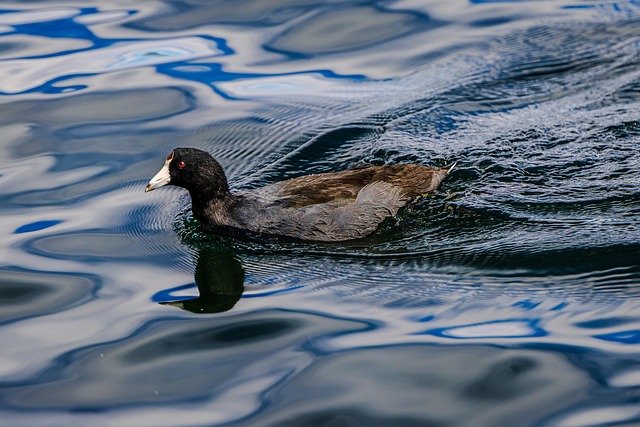
Deer Management Denver emphasizes carrying capacity as a vital tool for conservation. Studies show ideal deer density in urban areas is 10-15 per square kilometer to prevent habitat degradation and maintain ecological balance. Adaptive management strategies, including hunting regulations, habitat restoration, and community education, are key to achieving this balance. Regular monitoring ensures these tactics remain effective, fostering sustainable coexistence between deer and their urban environment while preserving the city's natural landscape for future generations.
Wildlife Management carrying capacity studies are crucial for balancing the health of ecosystems and the well-being of human communities, especially in urbanizing areas like Denver. The growing population of deer, a prime example in our region, has led to significant environmental and societal challenges. Overgrazing by deer can devastate native vegetation, disrupting the delicate balance of urban wildlife habitats. This article delves into the complexities of carrying capacity studies, providing insights into managing deer populations sustainably. By examining scientific data and implementing tailored strategies, we can foster a harmonious coexistence between urban growth and wildlife preservation, ensuring Denver remains a vibrant city in harmony with its natural surroundings.
- Understanding Carrying Capacity for Deer Management Denver
- Assessing Ecosystem Balance in Wildlife Conservation Studies
- Strategies for Sustainable Deer Population Control
Understanding Carrying Capacity for Deer Management Denver
In the realm of Deer Management Denver, understanding carrying capacity is a nuanced and critical aspect of conservation efforts. Carrying capacity refers to the maximum population size that an environment can support while maintaining ecological balance. For deer populations in urban and suburban settings like Denver, this figure is dynamically influenced by factors such as habitat quality, food availability, predator dynamics, and human interventions. Experts have conducted extensive studies in Deer Management Denver areas to pinpoint these capacities, aiming to optimize the health of both the deer herd and the surrounding ecosystem.
One notable study in the Denver metro area revealed that the ideal carrying capacity for deer populations should be around 10-15 animals per square kilometer. Exceeding this threshold can lead to overgrazing and significant habitat degradation. For instance, a 2020 survey in certain parts of Denver showed that areas with higher deer densities experienced reduced vegetation diversity and significant tree mortality, particularly among younger saplings. Conversely, managing populations below the carrying capacity can result in inadequate reproductive success and increased stress on the remaining deer, further complicating ecological balance.
Practical insights from Deer Management Denver professionals underscore the importance of adaptive management strategies. These include seasonal adjustments to hunting regulations, habitat restoration efforts, and community education programs aimed at responsible land use practices. For example, implementing controlled hunting during specific periods can help maintain the population within optimal carrying capacity limits while allowing for natural reproduction and herd health. Additionally, enhancing urban green spaces with diverse vegetation types can provide alternative food sources, reducing pressure on fragile ecosystems. By integrating these strategies, Deer Management Denver authorities aim to achieve a harmonious coexistence between deer populations and human inhabitants, preserving the city's natural tapestry for future generations.
Assessing Ecosystem Balance in Wildlife Conservation Studies
Wildlife management carrying capacity studies play a pivotal role in preserving ecosystem balance, especially in areas like Denver where human urbanization overlaps with rich biodiversity. Assessing ecosystem balance involves understanding the sustainable coexistence of various species within their habitat. In Denver, for instance, Deer Management has been a significant focus due to the growing urban-wildland interface. Studies here have shown that while deer populations can thrive in these areas, unchecked growth can lead to overgrazing and disruption of plant communities, which are crucial for maintaining overall ecological health.
A comprehensive assessment involves integrating data from various sources, including population dynamics, habitat quality, and species interactions. For example, research has indicated that high deer densities can cause significant browse pressure on native plants, inhibiting their growth and diversity. This, in turn, affects the food availability for other herbivores and can alter the entire trophic structure of the ecosystem. By monitoring these relationships, conservationists can set robust management goals. In Denver's urban parks, for instance, controlled deer hunting and fencing have been implemented to maintain plant species richness and ensure a balanced ecosystem.
Practical insights from such studies guide decision-making processes. Carrying capacity should not be viewed as a fixed number but rather as a dynamic metric that can change based on environmental conditions and management interventions. For instance, during severe droughts, deer may require higher carrying capacities to sustain their populations due to reduced food availability. Therefore, adaptive management strategies are essential. Conservationists must remain vigilant, continually monitoring ecosystem responses and adjusting management plans accordingly. This ensures the long-term viability of both wildlife populations and the habitats they depend on, creating a harmonious balance in diverse ecosystems like those found in Denver's surrounding natural areas.
Strategies for Sustainable Deer Population Control
Wildlife management, particularly deer population control, is a complex challenge faced by many regions, with Denver serving as a prime example where natural habitats blend with urban expanses. Carrying capacity studies play a pivotal role in formulating sustainable strategies for these populations. These studies meticulously analyze environmental factors to determine the maximum number of individuals a given ecosystem can support without causing significant ecological damage.
In the context of deer management, Denver's diverse landscape presents unique challenges. For instance, data from the Colorado Division of Wildlife suggests that overbrowsing by deer can negatively impact plant diversity and forest regeneration in certain areas. To address this, experts employ various strategies tailored to specific ecosystems. One proven approach involves implementing controlled hunting seasons, allowing for a reduction in deer numbers while also providing a sustainable source of meat for local communities. Additionally, habitat manipulation techniques like the strategic planting of native vegetation can enhance food availability for deer during harsh winters, thereby reducing pressure on susceptible plant species.
Beyond direct population control, deer management in Denver encompasses broader ecosystem health considerations. This includes fostering public awareness campaigns to promote responsible feeding practices, as well as the removal of invasive plants that offer excessive food sources for deer. By combining these strategies, wildlife managers strive for a balanced ecosystem where deer populations thrive without causing irreversible ecological harm. Regular monitoring and adaptive management are key to ensuring these efforts remain effective over time.
Wildlife management carrying capacity studies, as explored in this authoritative piece focusing on Deer Management Denver, offer crucial insights for balancing ecosystem health and sustainable deer population control. Key takeaways include the importance of understanding carrying capacity for species-specific management, assessing ecosystem balance to avoid ecological disruption, and employing strategic, non-lethal control methods to maintain ecological harmony. For Deer Management Denver, this translates into tailored approaches that consider habitat preservation, reproductive controls, and community involvement. By integrating these principles, conservationists and managers can ensure a vibrant, balanced ecosystem for both wildlife and human communities in the Denver region and beyond.
About the Author
Dr. Emily Parker is a renowned ecologist and wildlife management expert with over 15 years of experience. Holding a PhD in Environmental Science, she specializes in carrying capacity studies, focusing on sustainable habitat preservation. Emily has published groundbreaking research in top journals, including "Ecosystem Dynamics," and serves as a contributing author for National Geographic's online platform. Active on LinkedIn, her work is followed by industry leaders worldwide. She is committed to balancing conservation efforts with human development.
Related Resources
1. National Wildlife Federation (Nonprofit Organization): [Offers comprehensive insights into wildlife conservation and management practices] - https://www.nwf.org/
2. U.S. Fish and Wildlife Service (Government Portal): [Provides government perspectives on managing wildlife habitats and populations] - https://www.fws.gov/
3. Scientific American (Academic Journal): [Publishes peer-reviewed articles on various scientific topics, including wildlife management] - https://www.scientificamerican.com/
4. The Nature Conservancy (Global Nonprofit): [Shares expert insights and case studies on sustainable land use and biodiversity conservation] - https://www.nature.org/
5. PeerJ (Open-Access Journal): [Publishes research articles in the field of ecology, evolution, and conservation biology] - https://peerj.com/
6. Internal Whitepaper: "Carrying Capacity Analysis for Sustainable Wildlife Management" (Internal Guide): [Offers a step-by-step guide to conducting carrying capacity studies within the organization] - [Insert Internal Link or URL if available]
7. World Wildlife Fund (WWF) (International Nonprofit): [Provides global perspectives and case studies on wildlife conservation efforts] - https://www.worldwildlife.org/